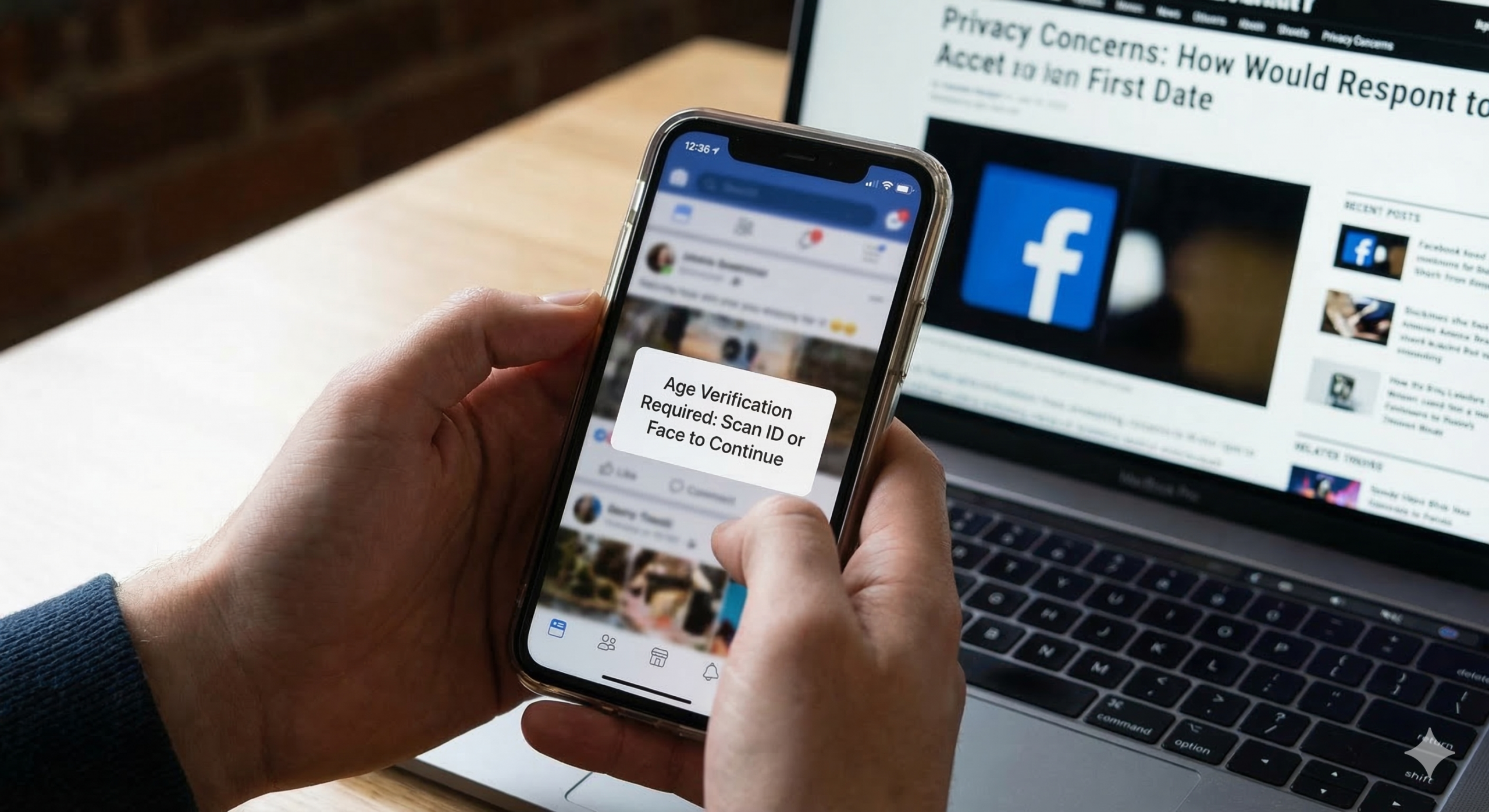
The Privacy Paradox Nobody Saw Coming
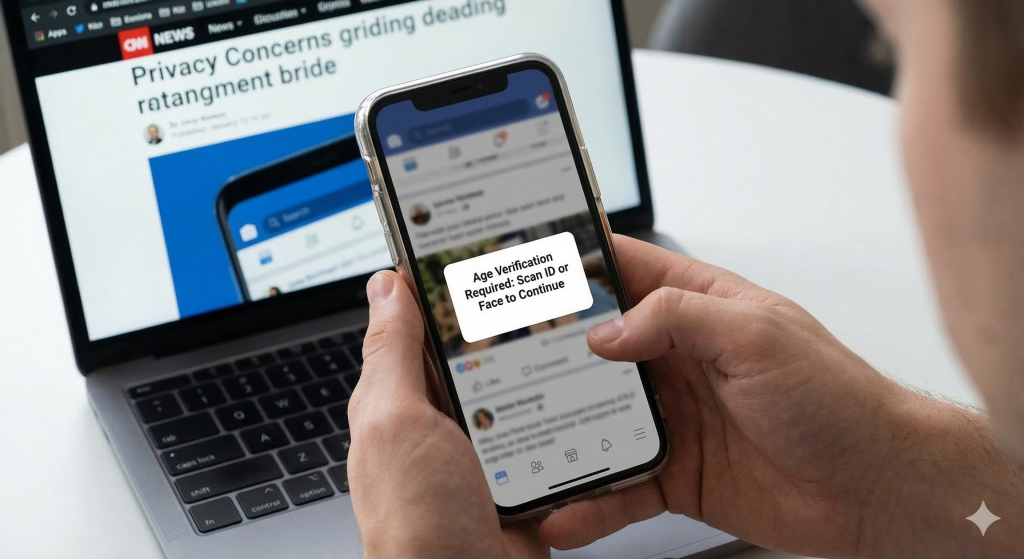
Here’s the thing about age verification that nobody wants to talk about: it’s creating the exact opposite of what lawmakers intended. Instead of protecting kids online, we’re building the most comprehensive surveillance apparatus the internet has ever seen.
I’ve been covering privacy issues for over a decade, and what’s happening with age verification laws is genuinely terrifying. These regulations force platforms to collect detailed personal information from everyone—not just minors—to verify ages. That means your driver’s license, passport, or biometric data is now sitting in databases across hundreds of websites.
What’s particularly maddening is that we’re doing this in the name of child safety while simultaneously making every user less safe. It’s like installing glass doors on bank vaults because we’re worried about claustrophobia.
The Data Honeypot Problem

Think about what we’re actually creating here. Every platform that needs age verification becomes a honeypot of verified identity documents. This isn’t just usernames and passwords anymore—this is government-issued proof of identity linked to browsing habits and personal data.
The Hacker News discussion that’s trending right now perfectly captures why this is so concerning. One commenter pointed out that we’re essentially creating a national identity database, distributed across private companies with varying security standards. Some of these platforms can barely keep credit card numbers safe, and now we’re trusting them with passport scans?
What’s interesting here is how this creates entirely new attack vectors. Hackers no longer need to steal financial data to commit identity theft—they can just target age verification databases. It’s like we’ve gift-wrapped the most sensitive personal information and scattered it across the internet.
The scale of this problem is staggering. Every social media platform, gaming site, and content provider now becomes a potential breach point for your most sensitive documents. We’ve transformed the internet from a place where you could maintain some anonymity into a surveillance network that would make authoritarian regimes jealous.
The Compliance Theater Show
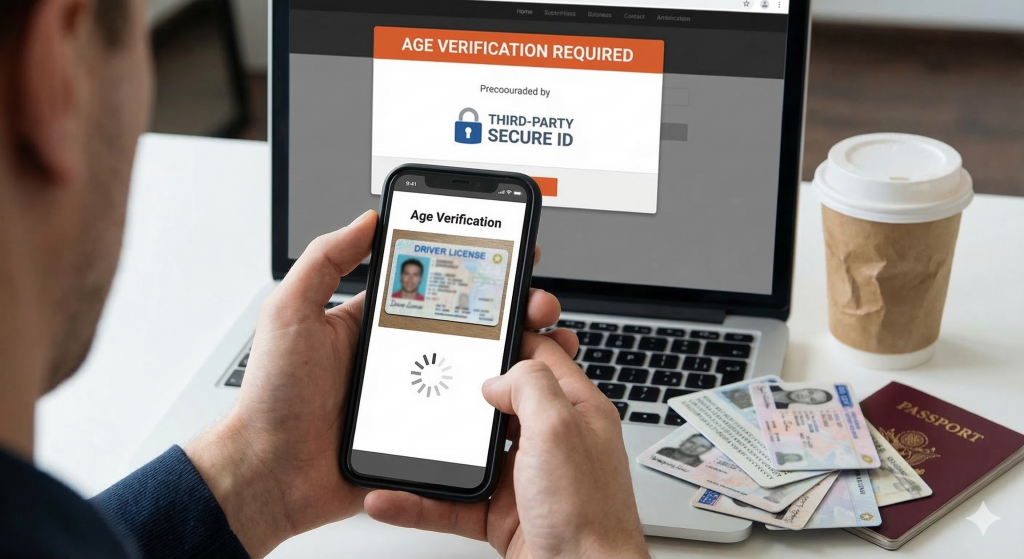
Here’s what really gets me: most of these age verification systems don’t even work well. They’re security theater on steroids. Kids are incredibly resourceful—they’ll find ways around these systems faster than platforms can implement them. Meanwhile, law-abiding adults are the ones getting caught in this privacy-destroying web.
I’ve tested several of these systems myself, and the user experience is absolutely terrible. You’re asked to upload government documents to verify you’re over 13 or 18, creating permanent records of your identity across platforms you might use casually. It’s like being asked for a passport to enter a convenience store.
The technical implementation is equally problematic. Many platforms are outsourcing age verification to third-party services, creating even more points of failure. Your driver’s license might now be stored by companies you’ve never heard of, in countries with different privacy laws.
What’s particularly frustrating is watching platforms implement these systems knowing they’re ineffective. They’re not protecting children—they’re just creating legal cover while building surveillance infrastructure that would have been unthinkable five years ago.
The Slippery Slope We’re Already On

This is just the beginning, and that’s what terrifies me most. Once we’ve normalized uploading government documents for age verification, expanding these systems becomes trivial. Today it’s protecting children from social media. Tomorrow it’s verifying identity for political content, adult content, or anything else governments decide needs gatekeeping.
The infrastructure we’re building today will be repurposed in ways we can’t imagine. Think about how anti-terrorism legislation expanded far beyond its original scope. Age verification databases will follow the same pattern—they’ll become tools for broader surveillance and control.
What’s particularly concerning is how this affects vulnerable populations. People who can’t or won’t provide government documentation—whether due to privacy concerns, immigration status, or other reasons—are being systematically excluded from digital participation.
The global implications are staggering too. Countries with poor human rights records are watching Western democracies normalize comprehensive identity verification online. We’re essentially providing the blueprint for digital authoritarianism while convincing ourselves we’re protecting children.
The road to digital hell is paved with good intentions. Age verification laws are creating a privacy nightmare that will haunt us for decades while failing to achieve their stated goals. We need to find better ways to protect children online—ones that don’t require turning the internet into a panopticon. The alternative is accepting that online privacy was just a brief historical anomaly we’re now systematically dismantling.