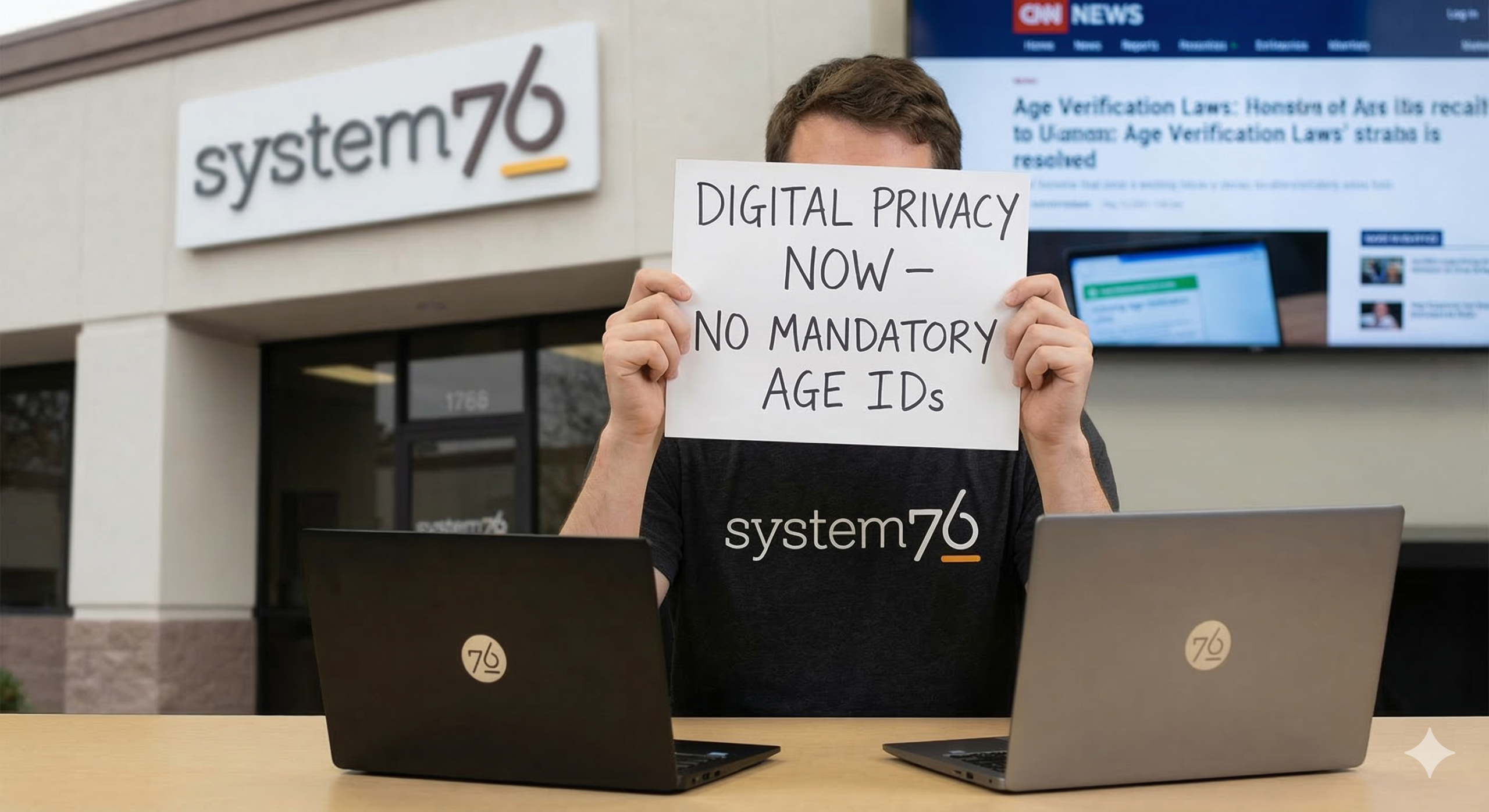
Why System76’s Voice Matters in This Fight
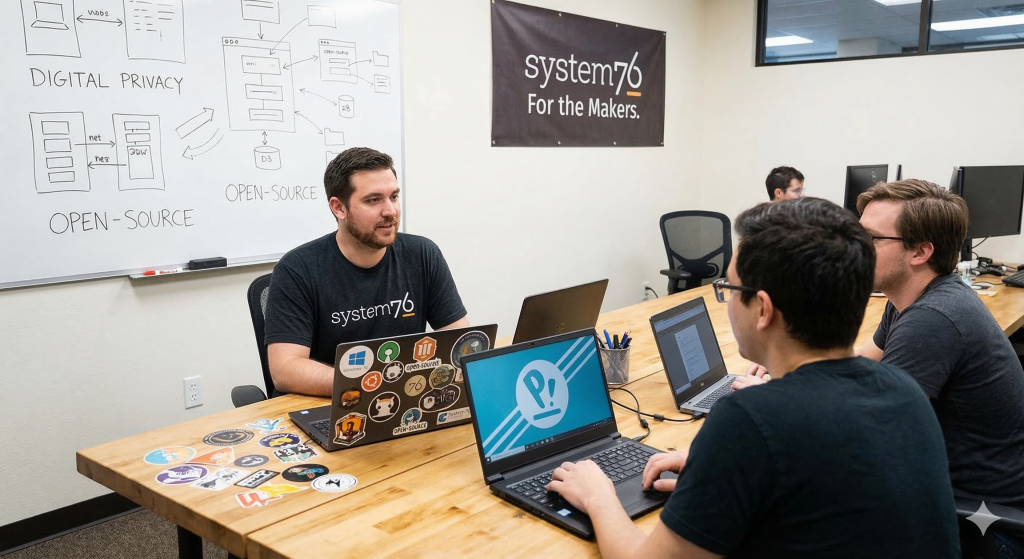
System76 isn’t exactly the company you’d expect to wade into contentious political waters. The Denver-based manufacturer has built their reputation on crafting sleek Linux laptops and desktops for developers, engineers, and privacy-conscious users. They’re known for Pop!_OS, their Ubuntu-based distribution, and for being one of the few companies actually manufacturing computers in the United States.
But here’s the thing — when a company whose entire brand revolves around user freedom and open-source principles speaks up about legislation, people listen. System76’s customer base skews heavily toward tech professionals who deeply understand the implications of privacy-invasive policies. These aren’t casual users who might shrug off another verification requirement.
What’s particularly interesting is the timing. While major tech giants have been relatively quiet about age verification laws (probably because they’re busy figuring out how to comply), smaller companies like System76 feel free to speak their minds. They don’t have the same regulatory pressures or shareholder concerns that might muzzle larger corporations.
The company’s statement resonates because it comes from a place of genuine technical expertise. When System76 talks about the privacy implications of age verification, they’re not just throwing around buzzwords — they understand the actual technical implementations and their consequences.
The Technical Reality Behind Age Verification

Let’s cut through the political rhetoric and talk about what age verification actually means from a technical standpoint. Most proposed implementations require users to upload government-issued ID or use third-party verification services that cross-reference personal data. The privacy implications are staggering — we’re talking about creating detailed databases of who accesses what online content.
I’ve been covering tech policy for over a decade, and I can tell you that every “just upload your ID” solution creates massive honeypots for bad actors. Remember the Equifax breach? Now imagine similar databases but with real-time browsing habits attached. The security nightmare writes itself.
System76’s technical background gives them credibility when they point out these flaws. They’re not just opposing the laws on ideological grounds — they understand the infrastructure required and why it’s fundamentally broken. Their customers are the people who’d potentially have to build these systems, and they know it’s a privacy disaster waiting to happen.
What’s really frustrating is how lawmakers consistently ignore technical experts on these issues. They craft legislation without understanding the implementation challenges or security risks. When companies like System76 speak up, they’re filling a crucial gap in the policy conversation.
Industry Implications and Market Dynamics
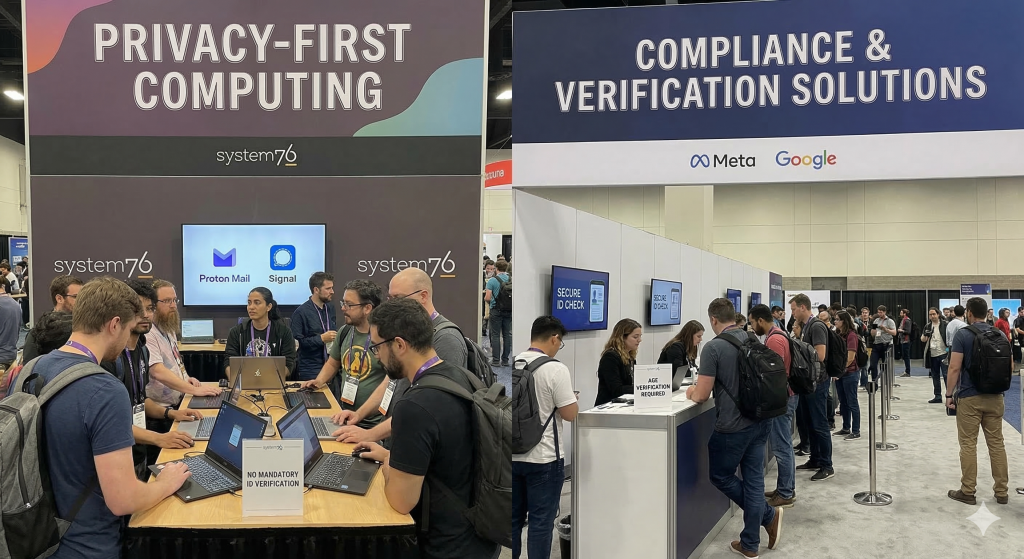
System76’s stance puts them in interesting company with privacy advocates and digital rights groups, but it also creates potential business opportunities. As privacy concerns grow, there’s a real market for companies that take principled stands on these issues. Look at how Signal’s user base exploded when people got fed up with WhatsApp’s privacy changes.
The broader industry response has been mixed, which isn’t surprising. Large platforms like Meta and Google are quietly working on compliance mechanisms because they can’t afford to lose entire state markets. Meanwhile, smaller companies and open-source projects are caught in an impossible position — comply with expensive verification requirements or block users in certain jurisdictions.
I think we’re seeing the beginning of a two-tier internet emerging. Privacy-focused companies like System76, Proton, and others are doubling down on their core principles, while mainstream platforms implement increasingly invasive verification systems. This fragmentation could fundamentally reshape how we think about online services.
For System76 specifically, this positions them perfectly for their target market. Their customers already chose Linux over Windows partly for privacy reasons. Taking a strong stand against age verification laws reinforces their brand values and could drive more privacy-conscious users toward their ecosystem.
What This Means for Users and Privacy Rights
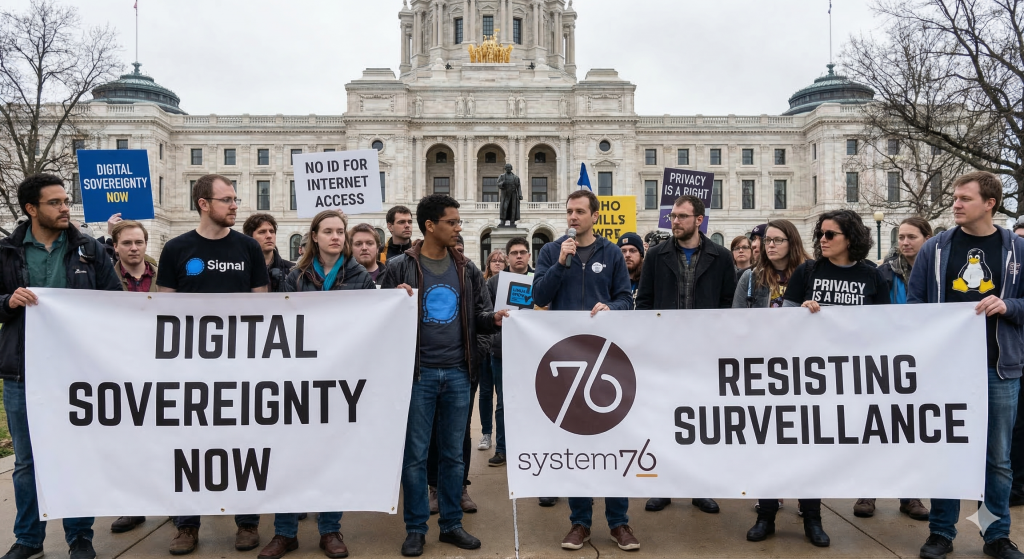
The real impact of System76’s statement isn’t just about one company’s policy position — it’s about legitimizing resistance to privacy-invasive legislation. When respected tech companies publicly oppose these laws, it gives cover for others to do the same. We’ve seen this playbook before with encryption backdoors and data localization requirements.
For everyday users, this matters because it signals that alternatives exist. You don’t have to accept a future where every website requires government ID verification. Companies like System76 are betting that enough people care about privacy to support businesses that protect it.
What’s particularly encouraging is how this connects to broader movements around digital sovereignty and user rights. The same people buying System76 computers are using Signal, hosting their own cloud services, and generally taking control of their digital lives. This isn’t just about age verification — it’s about who controls the internet.
The challenge now is translating this technical and philosophical opposition into effective political action. Companies can make statements and build privacy-focused products, but ultimately these laws get decided in legislatures and courts. The tech community needs to get much better at explaining why these issues matter to regular people who just want to browse the web without jumping through hoops.
System76’s willingness to take a public stand against age verification laws reflects a broader tension in tech between privacy and compliance. As these legislative battles intensify, we’ll likely see more companies forced to choose sides. The question isn’t whether age verification laws will pass — some already have — but whether enough companies and users will resist to maintain pockets of digital freedom. System76’s betting they will, and their customers are probably glad someone’s finally saying what they’re thinking.